A shared system has to help with the ticket in front of the team
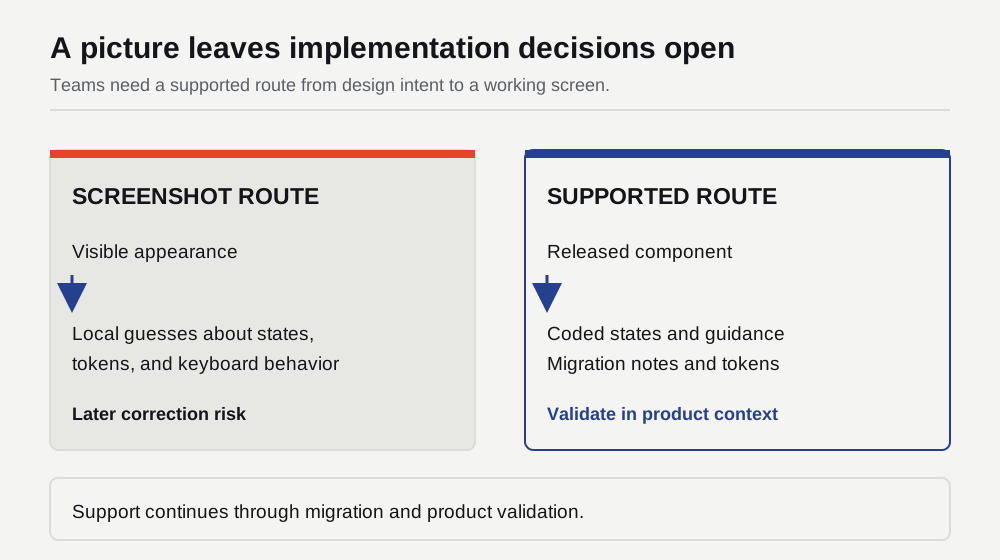
A screenshot is easy to act on under a deadline. It shows what a screen should look like, and a developer can reproduce that appearance with familiar code. The problem is what the picture leaves open: supported states, token use, keyboard behavior, responsive rules, and the reason a particular pattern was chosen.
When those decisions are made locally across several products, a later correction can become a search for all the different implementations. A component library helps only if the team can use it in the same delivery conditions that made the screenshot attractive.
That was part of the problem I inherited with a stalled enterprise design system. The design library was partial, the written guidance was uneven, and the route from a frame to coded behavior was not dependable enough. I coordinated the design, framework, theme, Storybook, and guidance work to make that route practical.
The handoff needs to carry the decisions a picture cannot
I pulled Code Connect TSX and token JSON as part of the developer handoff. Regular reviews with framework developers, theme implementers, the dedicated Storybook developer, and product teams connected the design decisions to implementation. Written component guidelines gave requirements and quality engineers a reference they could use alongside the code.
A team should be able to find the released component, inspect its states, understand the usage and accessibility requirements, and check the result in a product screen. Each link needs maintenance. A stale example or an unexplained discrepancy gives the team another reason to fill in the gaps locally.